March 8, 2026
The History of Avon NC: From Shipwrecks to Surf Town on the Outer Banks
Long before it became a sought-after Outer Banks vacation destination, Avon, North Carolina was a windswept, isolated village on Hatteras Island known by a very different name: Kinnakeet. Its history stretches back centuries — shaped by shipwrecks, storms, hardy fishermen, and the relentless Atlantic Ocean. Here's the fascinating story of how this tiny barrier island community became one of the most beloved beach towns on the Outer Banks.
The Original Inhabitants: Native Americans on Hatteras Island
The earliest known residents of what is now Avon were the Hatteras (Croatoan) Native Americans, an Algonquian-speaking people who fished, hunted, and lived along these barrier islands for thousands of years. When English colonists arrived in the late 1500s as part of Sir Walter Raleigh's expeditions, they encountered thriving indigenous communities. The famous Lost Colony of Roanoke — one of America's oldest mysteries — left behind the cryptic word "CROATOAN," believed by many historians to refer to nearby Hatteras Island, making this region central to the very origins of European settlement in North America.
Kinnakeet: The Village That Became Avon
For most of its history, Avon was known as Kinnakeet — a name likely derived from the local Native American language. The village was home to a tight-knit community of commercial fishermen, boat builders, and lifesaving station crews who made their living from the sea. Kinnakeet was officially renamed Avon in 1883 when the U.S. Post Office required a shorter name. Despite the change, locals held onto the Kinnakeet identity for generations — and many still proudly call themselves "Kinnakeeters" today.
The Graveyard of the Atlantic
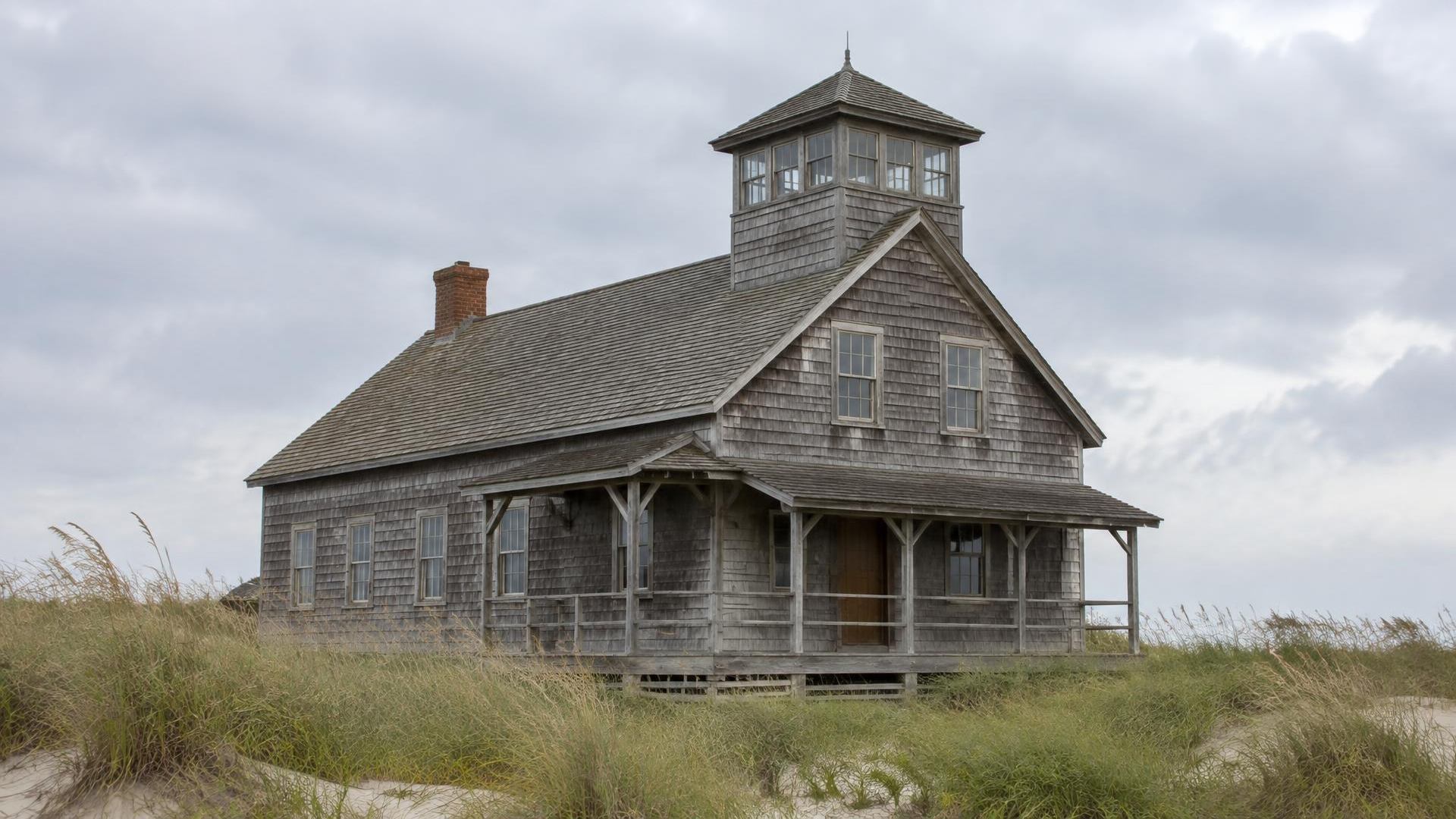
The waters off Hatteras Island have long been among the most treacherous on the Atlantic coast. The convergence of the Gulf Stream and the Labrador Current, combined with the dangerous Diamond Shoals, earned this stretch of ocean the ominous nickname "The Graveyard of the Atlantic."Over 5,000 ships have wrecked along the Outer Banks since records began. Many of those wrecks occurred within sight of Avon's shores, and the local men who formed the U.S. Life-Saving Service crews risked their lives to rescue sailors from sinking vessels. The Kinnakeet Life-Saving Station, established in 1874, was one of the most active on the entire coast.
The Cape Hatteras Lighthouse: A Beacon of History
Just south of Avon stands the iconic Cape Hatteras Lighthouse — at 198 feet, the tallest brick lighthouse in the United States. First lit in 1870, it was built to warn ships away from the deadly Diamond Shoals. In 1999, the lighthouse was famously moved 2,900 feet inland to protect it from shoreline erosion — one of the greatest engineering feats in preservation history. Today, it remains the most recognizable landmark on the Outer Banks and a must-visit attraction for anyone staying in Avon. Read our Cape Hatteras Lighthouse visitor guide for climbing tips and photo spots.
World War II and the Battle of the Atlantic
During World War II, the waters off Hatteras Island became a battleground. German U-boatsprowled the shipping lanes, sinking dozens of Allied merchant vessels and tankers. Residents of Avon could see the glow of burning ships on the horizon and oil-slicked debris washing ashore. The military established lookout posts and patrol stations along the Outer Banks, and the community played a quiet but vital role in the Battle of the Atlantic. Several sunken WWII wrecks remain popular scuba diving sites off Hatteras Island to this day.
From Fishing Village to Beach Destination
For most of the 20th century, Avon remained remarkably isolated. There were no bridges to Hatteras Island — residents relied on ferries and, before that, mailboats for supplies and transportation. The construction of the Herbert C. Bonner Bridge in 1963 finally connected Hatteras Island to the northern Outer Banks, opening the door to tourism. Slowly, Avon evolved from a remote fishing village into a vacation rental destination, attracting surfers, anglers, and families seeking unspoiled beaches far from the more commercialized northern OBX towns.
The Storms That Shaped the Land
Avon's history is inseparable from the hurricanes and nor'easters that regularly reshape the Outer Banks. Major storms like the Ash Wednesday Storm of 1962, Hurricane Isabel (2003), and Hurricane Dorian (2019) have carved new inlets, destroyed roads, and reshaped the coastline. Yet the community has always rebuilt — a testament to the resilience that has defined Hatteras Island residents for centuries. The ever-changing landscape is part of what makes Avon's Cape Hatteras National Seashore beaches so wild and beautiful.
Avon Today: A Community with Deep Roots
Modern Avon is a unique blend of old Outer Banks charm and modern coastal living. Multi-generational fishing families still live alongside vacation rentals. The Avon Pier, a beloved local landmark, continues to draw anglers from across the East Coast. Local shops, seafood markets, and restaurants carry on traditions that stretch back over a century. While tourism has transformed the economy, the spirit of Kinnakeet — self-reliant, ocean-connected, and deeply community-oriented — lives on.
Experience Avon's History at Hygge By The Sea
When you stay at Hygge By The Sea, you're not just booking a beach house — you're stepping into a place with centuries of history. Walk the same beaches where shipwreck survivors stumbled ashore. Watch the sunrise over the same Atlantic horizon that has guided sailors and fishermen for generations. Visit the Cape Hatteras Lighthouse, explore the Graveyard of the Atlantic Museum in Hatteras Village, and feel the unique energy of a community shaped by the sea. There's no better home base for experiencing the real Outer Banks.
Book Hygge By The Sea and explore Avon's rich history →
Frequently asked questions
What is the history of Avon NC?
Avon was originally known as Kinnakeet, a remote fishing village on Hatteras Island named after the local Native American language. It was renamed Avon in 1883 by the U.S. Post Office. The area has a rich history spanning Hatteras (Croatoan) Native Americans, shipwrecks in the Graveyard of the Atlantic, the Cape Hatteras Lighthouse built in 1870, World War II U-boat battles, and its transformation into a beach vacation destination after the Bonner Bridge connected Hatteras Island in 1963.
Why is it called the Graveyard of the Atlantic?
The waters off Hatteras Island earned the name Graveyard of the Atlantic due to the convergence of the Gulf Stream and Labrador Current, combined with the dangerous Diamond Shoals. Over 5,000 ships have wrecked along the Outer Banks since records began. The Kinnakeet Life-Saving Station, established in 1874 near Avon, was one of the most active rescue stations on the coast.
When was the Cape Hatteras Lighthouse built?
The Cape Hatteras Lighthouse was first lit in 1870. At 198 feet, it is the tallest brick lighthouse in the United States. It was built to warn ships away from the deadly Diamond Shoals off Hatteras Island. In 1999, the lighthouse was famously moved 2,900 feet inland to protect it from shoreline erosion.
What does Kinnakeet mean?
Kinnakeet was the original name for what is now Avon, NC. The name is believed to derive from the local Native American language of the Hatteras (Croatoan) people who lived on the island for thousands of years. The village was renamed Avon in 1883 when the U.S. Post Office required a shorter name. Many locals still proudly call themselves Kinnakeeters.
When did Hatteras Island become accessible by bridge?
Hatteras Island was connected to the northern Outer Banks by the Herbert C. Bonner Bridge in 1963. Before the bridge, residents relied on ferries and mailboats for transportation and supplies. The bridge opened the door to tourism and transformed communities like Avon from remote fishing villages into vacation destinations.